
Concept
Armaments
Armaments is a resource used to represent weapons, armor, ammunition and tools required to recruit and train military units. See them as boxes of military materials. These can be produced from Blacksmiths, Leatherworkers and Fletchers.
Related Concepts
Example Improvements
Example Units

Concept
Combat
Armies can fight other armies, take settlements and attack fortifications. For Armies fighting other Armies, you can take them on head-on first, or try to split up your Army into 2 smaller Armies and outmaneuver them by flanking them. A successful flank will increase your Attack and deteriorate their Morale, but if you flank them too late then you risk losing both of your armies. When attacking Settlements you can choose to charge head-on, but if they have many defenses built then a wiser strategy could be to besiege them by splitting up your units across their surrounding tiles, cutting off all their supply routes.
Related Concepts
Example Improvements
Example Units
 General
Concept
Factions
Within Iterum there are 7 distinct factions, broadly divided into Civilized and Barbaric factions. The civilized factions are the Romans, the Carthaginians and the Greek, while the Barbaric factions consist of the Gauls, the Germanians, the Picts and the Vikings. Which faction a Nation is will dictate which improvements can be build, units can be recruited, as well as faction-specific bonuses. For example, the barbaric factions have the Spearmen as their basic infantry, and have access to the Axemen, while the civilized factions have access to the Infantry and more siege units.
Related Concepts
Example Improvements
 Longship
Concept
Food Production
The first mechanic to master in Iterum is food production and rationing. Your settlements will automatically have their free inhabitants gather food from your designated food gathering tiles. You start the game being able to select up to 3 food gathering tiles. As you build improvements some of your inhabitants will be busy working elsewhere rather than gathering food, while other improvements will increase food production capabilities, food storage capacity, or increase the amount of food gathering tiles which you can select. Units and armies automatically resupply their food rations from the settlement they are nearby (based on which settlement controls that tile). You can adjust the food rationing setting of each settlement to balance your supply both in times of plenty and scarcity.
Related Concepts
Example Improvements
Concept
Fortifications
Besides Settlements, your armies can also construct Fortifications across the map to strengthen their position. Units and armies garrisoned in Fortifications will be granted defensive bonuses against aggressors similarly to being garrisoned in a fortified Settlement with walls and towers. Fortifications can be upgraded up to level 5, with each level taking more time to construct and granting bigger bonuses. The first level will take more time to construct if placed on a Woods or Swamp tile. Fortifications also reduce damage taken from bad weather effects such as Blizzards and Floods.
Related Concepts
Example Improvements

Concept
Happiness
Inhabitants in your Settlements will have a Happiness factor associated with them. Values over 50 means they are content enough for some taxation without protesting and the higher you reach the higher you can increase your taxation levels. Happines values under 50 mean that protests may occur and if it reaches even lower values riots may break out. Should it ever reach near 0 then you will lose your settlement to the rioters. Lower taxes and more food rations are quick ways to adjust happiness, but your actions across the game, improvements you build, sanitation levels and local garrison size all contribute to the settlements happiness value. Your nation also has a separate happiness or reputation value which affects all of your settlements and units happiness over time. This is affected by your decisions, such as if you let units die to starvation or cold, or you rule a peaceful kingdom over a long time.
Related Concepts
Example Improvements
Example Units

Concept
Improvements
In each Settlement you control you can build a number of improvements. Each improvement will constribute to one or more of your Settlements statistics, such as food production, taxation, sanitation, or enabling the recruitment of some new units. Improvements cost an initial amount of taxes, have a yearly upkeep cost and will also require a certain amount of your labor force to keep it running. Make sure you balance how much of your labor force is producing food versus keeping your improvements running.
Related Concepts
Example Improvements

Concept
Minerals
Minerals can be prospected across the map using the Prospectors unit. Each tile can be prospected only once, and once a mineral has been found, it will require some work to mine it. Firstly, it needs to reside within one of your Settlements borders. Secondly, you need to build a mine to extract the ore. Thirdly, you may need to construct an appropriate Smelter and have Coal available in order to produce Armaments and Products from the raw ore. Once you have products and armaments ready they can be sold to the markets and used to equip your units with better weapons and armor.
Related Concepts
Example Improvements
Example Units

Concept
Nations
Each player rules a nation, and each map can include any number of nations - usually between 1 and 8. A nation is composed of a number of settlement, a number of units and armies, as well as fortifications and supplies posts. Each nation has its own distinct color on the map.
Related Concepts
Example Improvements

Concept
Sanitation
Sanitation is a key property of your Settlement as it grows larger. Your inhabitants require access to clean water and any deterioration will impact your population growth, affect happiness, and may cause the outbreak of diseases if not kept at a good level. Some improvements such as mines and smelters may directly penalize the Sanitation level.
Related Concepts
Example Improvements
 Well
Well
Concept
Seasons
Seasons affect the world in various ways. Food production varies sharply by season, with Plains peaking at 100% in Autumn and crashing to 20% in Winter. Units outside shelter take cold damage during Winter. Bad weather events (blizzards, droughts, floods, storms) can reduce food production and damage units. Plan your settling, exploration and warfare around the seasons.
Related Concepts
Example Improvements
Example Units
Concept
Settlements
Settlements are the foundation of a nation. It is here your inhabitants live, where they gather and consume food, where you build improvements, and where you collect your taxes. Each settlement also has a Happiness level, a Sanitation level and can additionally house a Slave population. It is also in Settlements where you recruit units for both military or civilian purposes.
Related Concepts
Concept
Supplies Posts
To supply your armies and units garrisoned in far off fortifications you will need to construct Supplies posts. Supplies posts act as remote granaries where you can stockpile food using the Traders unit. Nearby units and armies can then resupply their food rations automatically without having to go back themselves to your settlements. Supplies Posts also protect your units against Cold damage during the Winters.
Related Concepts

Concept
Taxation
The primary income of your nation will be the taxes you levy from your inhabitants. Each week your tax collectors will do their rounds and collect a sum, based on your chosen taxation settings, the number of inhabitants in that settlement and any bonuses you may have from improvements. Higher taxation settings will increase your income but incur a happiness penalty. You can later on also generate taxes by producing and selling goods from prospected minerals, as well as selling slaves if you have captured any.
Related Concepts

Concept
Tiles
The world map is composed of a set of tiles. Each map will have different dimensions and therefore more or less tiles available. Tiles are the basic movement and planning element in the game. The basic tile types are Plains, Woods, Swamps, Water, and Barren. On tiles, you can create Settlements, build Fortifications, set up Supplies Posts, prospect for minerals and station your units or armies.
Related Concepts
Example Improvements
Example Units
Concept
Units and Armies
Second to the Settlements, your units are the core building block of your nation. Civilian units such as Peasants are ideal for settling new lands, Prospectors can prospect for minerals, Traders can ship food and products, and a wide variety of military units can be recruited to strengthen your defenses and offensive capabilities. When 2 or more military units gather, they will automatically form an Army. Armies combat strength is calculated separately and get bonuses single units may not. Armies are also able to construct some things on the map which single units cannot. All units have a population and monetary cost on recruitment, and have a weekly maintenance cost as well. If you run out of money to maintain them, they may desert you.
Related Concepts
Example Improvements
Example Units

Season & Weather
Winter
Winter is the harshest season. Food production collapses - Plains drop to 20%, Woods and Waters to 50%. Units outside settlements or fortifications take cold damage (3% of max HP per day). During blizzards the damage rises to 15% per day. Crossing rivers in winter reduces cold resistance by 2, making it significantly more dangerous. Build Leatherworkers to increase the cold resistance of the units you recruit. Keep Supplies Posts or Granaries stocked so your armies can weather the cold. Fortifications also grant cold resistance to garrisoned units.
Example Improvements

Season & Weather
Spring
Spring brings relief from the winter cold. Plains recover to 40% food production, while Woods and Waters return to full output. Cold damage ends. Floods and storms may still strike zones during spring. This is a good time to resume settlement of new lands, send out Prospectors, and begin military campaigns before the summer heat.
Related Concepts

Season & Weather
Summer
Summer is the peak campaign season. Plains reach 80% food production. No cold damage. Droughts and storms may reduce production on some tiles. Use the relative abundance to stockpile food in Granaries and Supplies Posts ahead of the coming winter. Military units can move and fight freely without weather penalties.
Related Concepts

Season & Weather
Autumn
Autumn is the harvest season - the most productive time of year. Plains reach 100% food production, and all other tile types are at or near their peak. Droughts remain possible. This is your last window to fill Granaries, build Leatherworkers, and position your armies before winter arrives. Do not underestimate how quickly conditions will turn.
Related Concepts

Season & Weather
Blizzard
Blizzards only occur during Winter and strike Woods, Plains, Swamp, and Barren tiles. While a blizzard is active, cold damage to units outside shelter rises from 3% to 15% of max HP per day - five times the normal rate. Food production on affected tiles is severely reduced. If your armies are caught in a blizzard with no nearby settlement, fortification, or Supplies Post, they can be wiped out in days. Always have a shelter plan before winter campaigns.
Related Concepts
Example Improvements

Season & Weather
Drought
Droughts occur during Summer and Autumn, striking Woods and Plains tiles. Affected tiles suffer an 80% reduction in food production for the duration of the drought. Units are not directly harmed, but your settlements will feel the food shortfall quickly. Keep Granaries stocked and use Traders to redistribute food from less-affected settlements before stocks run dry.
Related Concepts
Example Units

Season & Weather
Flood
Floods occur in Spring, Summer, and Autumn, affecting Swamp, Barren, and Plains zones as water spills out from its banks. Food production on flooded tiles is reduced while the flood persists. Floods do not directly damage units but can hamper movement and reduce your food output during an otherwise productive season. Monitor your settlements near low-lying zones.
Related Concepts
Example Improvements

Season & Weather
Storm
Storms occur in Autumn, Winter, and Spring, striking Water tiles with thunder and heavy rain. Naval units and armies crossing water tiles during a storm may be slowed or take damage. Avoid committing Biremes and other naval forces to open-water crossings while a storm is active. Storms also increase cold damage risk to units on adjacent land tiles during winter.
Related Concepts
Example Improvements
Example Units

Faction
Romans
The Romans were one of the most powerful civilizations in ancient history, rising from a small city-state on the Italian peninsula to dominate the Mediterranean world. Known for their disciplined legions, advanced engineering, and sophisticated legal systems, the Romans built roads, aqueducts, and fortifications that stood for centuries. Their military prowess was legendary - the Roman legions employed superior tactics, standardized equipment, and rigorous training to defeat enemies far larger in number. Roman society valued civic duty, military honor, and the rule of law. Their influence on Western civilization cannot be overstated, from language and architecture to governance and military strategy. In Iterum, Roman factions excel at construction and organization, with access to powerful siege weapons and well-armored infantry units.

Faction
Gauls
The Gauls were a collection of Celtic tribes who inhabited the regions of modern-day France, Belgium, and parts of Germany before the Roman conquest. Fierce warriors known for their bravery and distinctive appearance - often fighting bare-chested with lime-washed hair - the Gauls were formidable opponents on the battlefield. Their society was organized around tribal chieftains and druids, with a rich tradition of oral history, metalworking, and agricultural innovation. The Gauls were renowned for their skill with swords and their fearless charges in battle, though they lacked the disciplined formations of their Roman adversaries. Famous leaders like Vercingetorix united the tribes against Roman expansion, making a heroic stand at Alesia. In Iterum, Gallic factions are known for their aggressive infantry units, particularly their devastating axemen and swift raiders.

Faction
Germanians
The Germanians were a diverse group of tribes inhabiting the dense forests and rugged terrain east of the Rhine River. Hardy and independent, these peoples lived in small settlements and practiced a warrior culture that valued personal honor and combat prowess above all. Germanic warriors were known for their ferocity in battle, often fighting with spears, shields, and axes in loose formations that emphasized individual skill. Their society was organized around kinship bonds and warrior bands loyal to powerful chieftains. The dense forests of Germania provided natural defenses against invasion, and the tribes successfully resisted Roman conquest for centuries. Famous for the devastating ambush at Teutoburg Forest where they destroyed three Roman legions, the Germanic tribes eventually played a crucial role in the fall of the Western Roman Empire. In Iterum, Germanic factions excel at ambush tactics and produce fearsome infantry well-suited to forest warfare.
Improvement
Docks
The Docks increases food production water tiles by means of better boat production.

Improvement
Granary
The Granary increases food storage capacity.

Improvement
Hunters Lodge
The Hunter's lodge inreases food production from all hunting grounds - forests.
Referenced By

Improvement
Mill
The Mill increases food production by centralizing flour production from grains.
Referenced By

Improvement
Wall
Walls gives your settlement protection, and makes defending against enemy cavalry easier. Replaces the Palisade.
Referenced By

Improvement
Shrine to Fertility
The Shrine to fertility increases people's happiness and population growth.
Referenced By

Improvement
Barracks
The barracks provide housing and training for your units, primarily the infantry. Higher levels increase recruitment speeds.
Referenced By

Improvement
Town Hall
The Town hall increases taxation, opens up possibilities for many new improvements, as well as increases your simultaneous build slots.
Referenced By
Improvement
Wood Cutter Camp
The wood-cutter's camp increases the productivity of wood gathering activities, increasing improvement construction speed.
Referenced By

Improvement
Coal Mine
The Coal mine produces stone coal, which can be sold or used in the process of transforming iron ore to iron ingots and steel with smelter improvements. Decreases sanitation a lot due to poor working conditions.
Referenced By

Improvement
Iron Mine
The Iron mine produces iron ore, which can be sold or transformed into iron and brass with the Iron smelter improvement. Decreases sanitation due to poor working conditions.
Referenced By

Improvement
Copper Smelter
The copper smelter transforms copper ore into the useful bronze (tools & weapons), and the beautiful brass (used for coins, locks, hinges, etc). Decreases sanitation due to poor working conditions.
Referenced By

Improvement
Gold Smelter
The gold smelter transforms gold ore into gold products.
Referenced By

Improvement
City Hall
The City hall increases taxation, opens up possibilities for many new improvements, as well as increases your simultaneous build slots. Replaces the Town hall.
Referenced By

Improvement
Aqueducts
The aqueducts help transport fresh water long distances to secure clean water supplies for your citizens and facilities.
Referenced By

Improvement
Bath House
The Bath house improves sanitation by providing easy access to cleaning facilities.
Referenced By

Improvement
Dike Road
Digging dikes for your roads allows surplus rain water and other wastes to be diverted elsewhere, improving sanitation.
Referenced By

Improvement
Archery Range
The Archery range provides training for your ranged units. Higher levels increase new units' attributes. Required to recruit archers.
Referenced By

Improvement
Stables
The stables enable recruitment of cavalry units, as well as Traders. Higher levels increase cavalry recruitment speed.
Referenced By

Improvement
Market
The market allows you to buy and sell some local wares in this Settlement. Prices may fluctuate over time both depending on your purchases and other factors. Increases taxation bonus due to increased commerce.
Referenced By

Improvement
Blacksmith
The Blacksmith manufactures all sorts of weapons for your forces. Higher levels increase your units' attack and defenses.
Referenced By

Improvement
Leatherworker
The Leatherworker manufactures protective armaments and gear against the cold. Higher levels increase your units defense.

Improvement
Fletcher
The Fletcher manufactures bows, arrows and the like. Higher levels increase your ranged units' attack bonus.
Referenced By

Improvement
Palisade
The Palisade gives your settlement basic protection, and makes defending against enemy cavalry easier.
Referenced By

Improvement
Small Towers
The Small towers give your settlement additional strength against attacks.
Referenced By

Improvement
Hill Fort
The Hillfort increases your forces attack and defense by giving yourself high ground and obstacles against any attacker.
Referenced By

Improvement
Temple of the War God
The Temple of the war god is the center for your crazed axemen. Restless training and increased religious zeal here increase their attributes.
Referenced By
Improvement
Siege Workshop
The Siege workshop specializes in constructing siege units weapons to take down enemy settlements or defend your own.
Unit
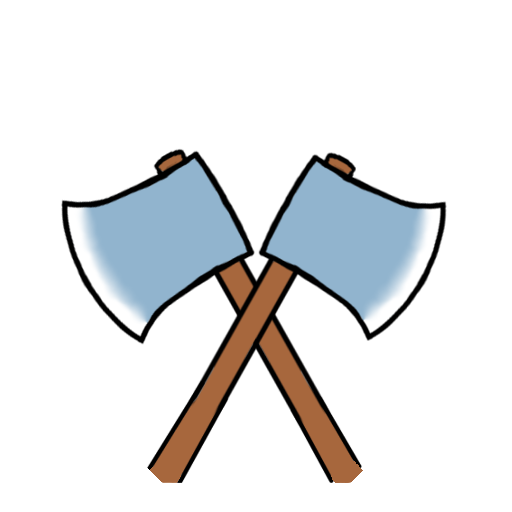
Axemen
The axemen are swift, fierce warriors specializing on raiding, pillaging and conquering enemy settlements.
Referenced By

Unit
Infantry
The infantry is the staple of any army. They have good defensive and offensive capabilities.

Unit
Battering Ram
The battering ram is a siege device used to break down enemy gates and defenses. It reduces settlement defenses for a foreseeable time but are prone to attacks from most other units.
Referenced By

Unit
Primitive Spearmen
The primitive spearmen have bonuses against cavalry, making them good defenders against cavalry attacks.
Referenced By

Unit
Primitive Skirmishers
The primitive skirmishers are good scouts, with increased movement speed and ignoring rough terrain penalties.

Unit
Bireme
A sturdy sea vessel with a mighty bronze ram at the front for attacking enemies at sea.

Unit
Peasants
Local inhabitants rallied to follow your orders. Use them to settle new lands or gather inhabitants in specific settlements.
Unit
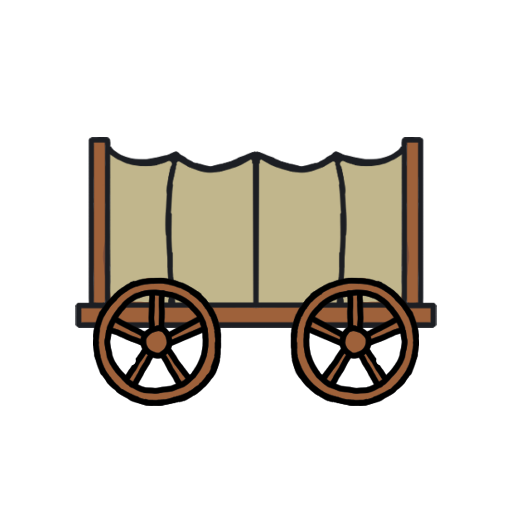
Traders
Official traders whom you can task to transport specific goods between your cities (such as supplying food) to an industry town, or to buy and sell products in other settlements.

Unit
Militia
Quickly trained and lightly equipped city guards, the Militia is your cities cheapest decent defensive force. Using a spear they have some advantage against cavalry.
Referenced By

Unit
Prospectors
Geological surveyors whose sole purpose is to locate mineral deposits on the map. Once a deposit has been located, a mine can be built in the settlement which controls the land.

Unit
Spearmen
The spearmen is the rank-and-file of many a nation. Spears have good range and are relatively easy to produce and are good against cavalry.
Referenced By
Unit
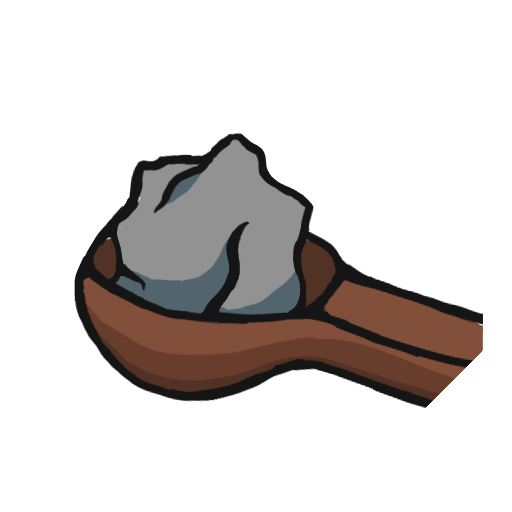
Catapult
The catapult is a much cheaper and simpler siege unit than the ballista, able to break down enemy fortifications.
Referenced By

Unit
Heavy Cavalry
The heavy cavalry is the strongest unit on the field with a devastating charge bonus, good defense and HP. Cavalry have strong charge bonuses but should be wary of attacking pikemen as well as settlements.
Referenced By

Unit
Primitive Axemen
The primitive axemen are trained to conquer settlements.

Unit
Primitive Cavalry
The primitive cavalry is the first mounted unit, with increased ground movement speed and charge bonus.
Unit
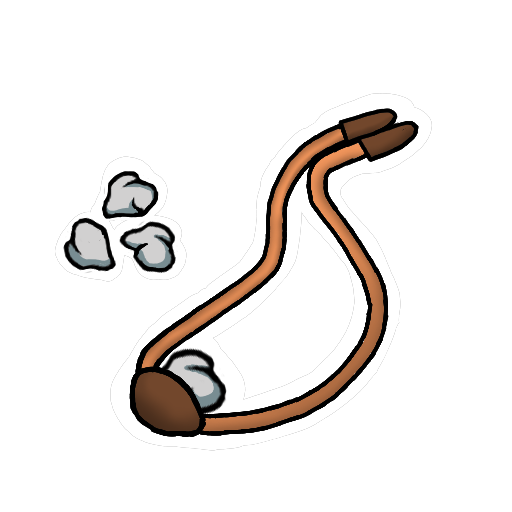
Skirmishers
The skirmisher is an agile scout, capable of traversing rough terrain, locating enemy forces and damaging them from afar before your main forces arrive.
Unit
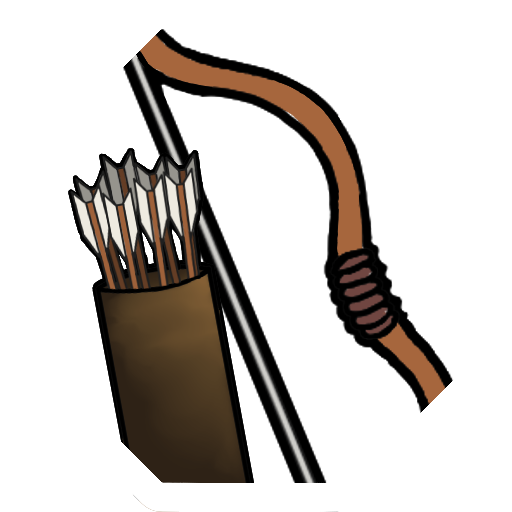
Archers
The archer's are similar to the skirmishers in that they are agile scouts. They offer more ranged offensive and defensive capabilities.

Unit
Heavy Infantry
The heavy infantry is a better trained and equipped version of the infantry. Although striking harder they are also slower across the field.

Unit
Hoplites
The Hoplites are the strongest anti-cavalry unit, able to both resist their charges and quickly deal high damage to them.

Unit
Light Cavalry
The light cavalry has increased mobility compared to most infantry units except scouts in rough terrain. Cavalry have strong charge bonuses but should be wary of attacking pikemen as well as settlements.
Unit
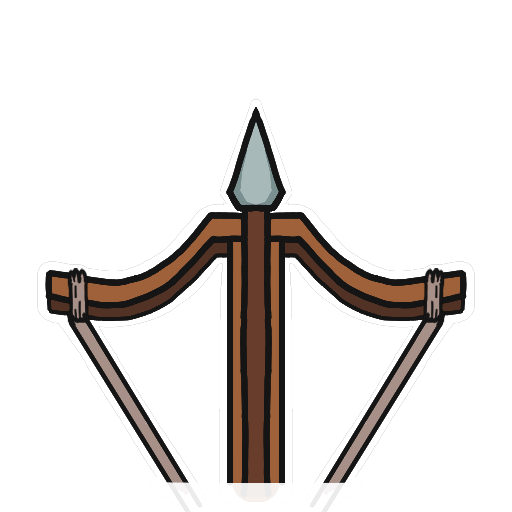
Ballista
The ballista is a siege unit capable of propelling heavy darts and spherical stones, setting fear into foes or breaking down enemy settlement defenses and fortifications.

Unit
Archimedes' Ballista
The Archimedes ballista is a heavy siege unit capable of propelling even larger projectiles at the enemy. It is the strongest siege unit in the game.

Unit
Trireme
A sturdy sea vessel with a mighty bronze ram at the front for attacking enemies at sea, considered an upgrade of the Bireme.

Unit
Quadrireme
A sturdy sea vessel with a mighty bronze ram at the front for attacking enemies at sea. Larger than both the Bireme and Trireme.

Unit
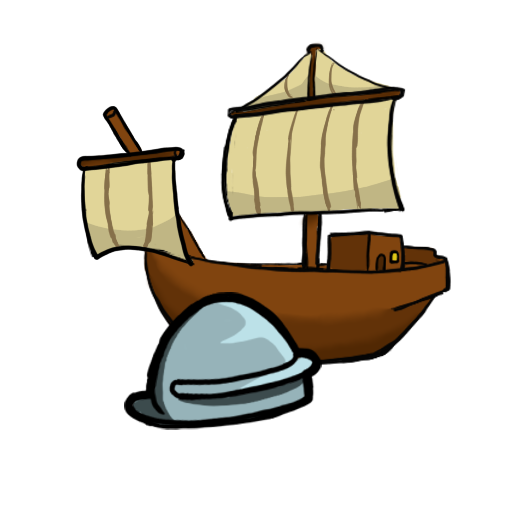
Trade Ship
A ship for trading wares between nations, similar to the land-bound Traders. Can ferry great quantities of wares quickly across the sea, especially compared to land routes. Note that the settlements involved in the trading need to have docks built.
Unit
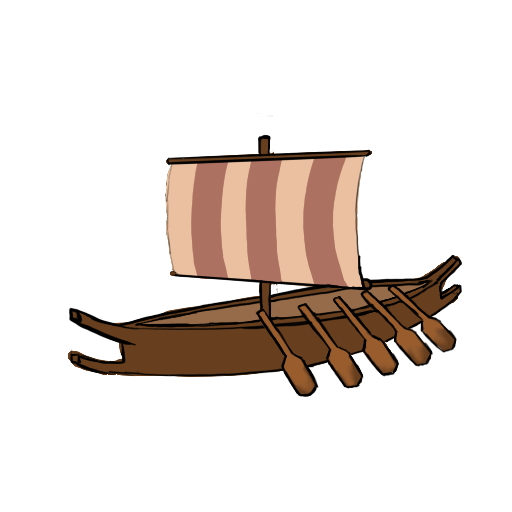
Transport Ship
A ship for transporting units quickly across water tiles, lakes and oceans.
Unit
Attack Ship
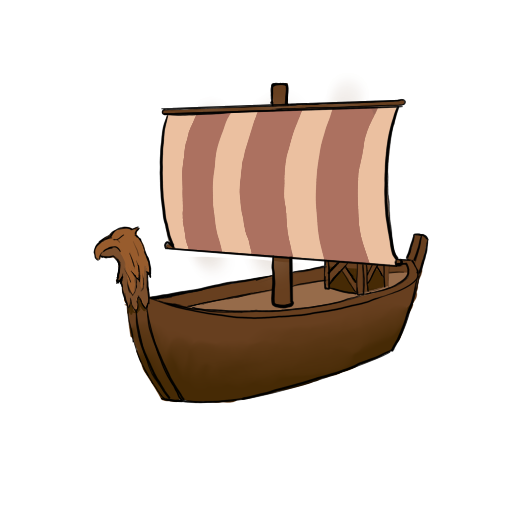
A ship designed for attacking enemies at sea.
Unit
Elite Attack Ship
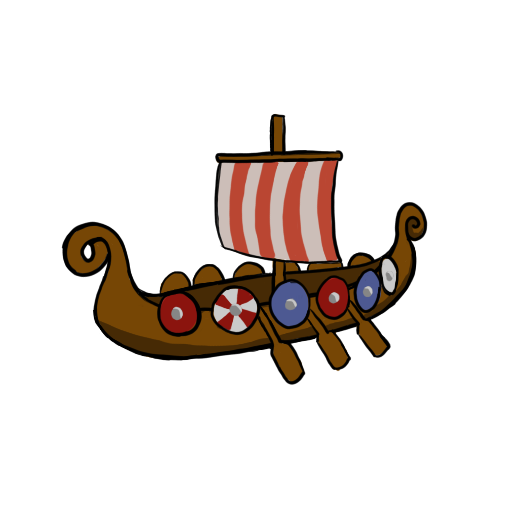
An elite barbarian vessel made for traversing the high seas and attacking bigger naval targets.
Unit
Slaves
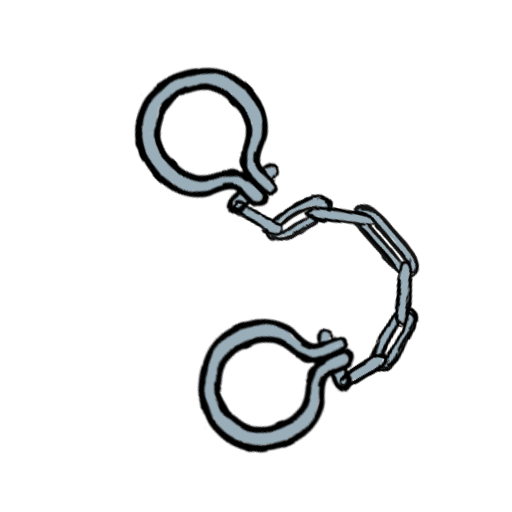
Slaves can be captured from enemies or purchased at markets. They act somewhat similar to Peasants, but cannot gain experience points, nor create new settlements - only settle into existing ones.
Referenced By